 MOVIE★ 8.1
The Avengers
2012Science Fiction


Search 123Movies, browse genres and release years, and save the titles you want to come back to.
Popular now
MOVIE★ 8.1
2012Science Fiction
 MOVIE★ 8.2
2018Adventure
 MOVIE★ 8.7
1994Drama
 MOVIE★ 7.9
2021Action
 MOVIE★ 8.5
2019Comedy
 MOVIE★ 8.5
2001Animation
 MOVIE★ 8.3
2011Drama
 MOVIE★ 8.3
1994Crime
 MOVIE★ 8.5
2016Animation
 MOVIE★ 7.9
2001Comedy
 MOVIE★ 7.6
1997Science Fiction
 MOVIE★ 7.8
2006Fantasy
 MOVIE★ 8.4
2004Fantasy
 MOVIE★ 6.9
2013Action
Recently added
One title search, two useful filters, three ranked choices.
Use a name, genre, year, or original-language cue.
Separate movies and series, then check the story and commitment.
Television
More to watch
Continue a series, compare highly rated movies, or open a featured title.
Catalog filters
Choose a genre, production region or release year.
App, access and help
Direct answers for app, APK, mirrors, unblocked access, outages and similar sites.
Explore 123Movies
Go directly to the part of 123Movies you need.
A film you have wanted to see for years. A series someone mentioned at lunch. A familiar favorite that sounds better than another hour of scrolling. Start with any of them on 123Movies. Search movies and TV shows, browse a genre, compare release years, and keep promising titles in My List until the right evening arrives. The big decision is what you want to watch; the details should help you make it.
Our movie and television pages put the title, artwork, story, and useful release information together. Open a film to explore it, or go straight to a name you already know. Watch Now brings you to viewing choices, with JustWatch links for checking the options available in your country. Whether you came looking for free movies online, an HD version of a classic, or your next long running series, begin with the story and build the evening around it.
The quickest way into 123Movies is the search box when you know the name, and the movie catalog when you do not. Both lead to the same useful place: a title you can read about, save, and explore further. You do not need to create an account before browsing. A little curiosity is enough to get started.
If the homepage already shows something you recognize, open it before dismissing it as old news. A film you skipped during its original release may fit your tastes much better now. A familiar poster can also remind you of the kind of evening you wanted: a big adventure, a tightly wound thriller, a comedy you can enjoy with friends, or a thoughtful drama that asks for your attention. Familiarity can be a good starting point without becoming the whole plan.
When nothing immediately appeals, make one choice before making the next. Pick a film or a series first. Then choose a broad genre. Only narrow the year if that matters to you. Starting with every preference at once can hide worthwhile titles, especially when you are open to discovering something unexpected. A manageable selection is more useful than an empty results page.
Read the opening of the synopsis and look at the year and format. Those details often tell you more than the artwork alone. A dark poster might belong to an action movie, a mystery, or a quiet family drama. Save two or three contenders if you are undecided. You can then compare actual stories instead of remembering half a dozen thumbnails.
The Trending page is another useful entrance when you want a broad starting point. Treat its titles as invitations to explore. A prominent place in a collection does not mean a film is available everywhere or suits every viewer. Your preferred language, the people watching with you, and the viewing options you find should finish the decision.
A clear title search saves time, particularly for names shared by remakes, sequels, documentaries, and television adaptations. Start with the most distinctive words in the name. Shorten the search if you are unsure of punctuation or a subtitle. The search page gives you a place to adjust the wording while you compare the results.
Searching a franchise name can bring related titles together, but it should be a starting point rather than a viewing order. Several films may share the same opening words while belonging to different years or storylines. Open the individual title and read the description before choosing. For example, a Spider-Man search can involve different leads, separate series, and ensemble appearances; the year helps distinguish the film you meant.
Use one useful term at a time when your first attempt fails. Search the main title, then try the original title if you know it. Our search can also match release years, genres, and original-language information in the catalog. It does not understand an entire sentence describing a scene. If you remember a setting or a plot twist but no name, broad genre browsing may be the more productive next step.
Do not assume adding more words always improves the result. A title followed by an actor, a streaming service, and a quality label can become a phrase that does not appear in the catalog. Search the film name here, then use its page to inspect the details. If the word you remember is very common, compare the displayed years instead of repeatedly appending guesses to the same query.
Our A–Z pages are helpful when spelling is the problem. They also give you a way to browse with a vague memory of the first letter. Translated titles can differ substantially from their original names, so a search that finds nothing is not always evidence that the film is absent. Try another name you know, return to a language page, or look through a likely year.
Once you find the right title, keep its page open or save it. That small step avoids repeating the same search when a message interrupts you or another person joins the choice. It also makes it easier to distinguish the title you selected from similarly named suggestions later.
Some evenings call for scale. An adventure with a large world, an energetic superhero film, or a science fiction story can make a television feel like the center of the room. Other evenings are better served by a close conversation, a sharp comedy, or an intimate drama. Browse for the experience you want to have before worrying about whether the title is new.
Our pages for The Avengers and Spirited Away offer very different entrances into spectacle. One gathers familiar heroes into an action story; the other invites you into an animated fantasy. Their appeal is not interchangeable simply because both can fill an evening with striking images. The synopsis and genre information help you decide what kind of adventure you are actually choosing.
A rewatch has its own advantages. You can return to performances you enjoyed, notice details you missed, or introduce someone else to a favorite without spending the first hour wondering whether it will suit the group. If a film has become a memory of isolated scenes, revisiting the whole story can also be more rewarding than endlessly encountering clips.
For a film you have never seen, read enough to understand the setup and then stop. A long search through reviews and discussion threads can reveal turns you would rather discover yourself. The story summary, release year, and genre tags are usually enough to decide whether to keep a title on the shortlist. You can leave detailed discussion for afterward.
Do not let an older release date decide the quality of the evening. A classic drama may feel more immediate than a recent blockbuster, while an old comedy may be exactly the easy watch you wanted. The Top rated collection helps you explore films that have attracted positive audience ratings in our catalog. Those scores come from The Movie Database, known as TMDB, and are a useful signal alongside your own tastes.
Keep the practical details close to the creative ones. Before everyone sits down, open the viewing option and check its runtime, language choices, and current availability. A movie night goes more smoothly when those questions are settled before the opening scene.
A television series asks a different question from a movie. You are choosing characters and a world you may return to for weeks. The TV Shows catalog makes it easy to browse the format separately, whether you want an ongoing drama, a comedy to dip into, or a series that has been on your list for years.
Start by deciding how you expect to watch. A complicated mystery works best when you can remember small details between episodes. A familiar sitcom may be easier to enjoy on busy evenings. A long fantasy series rewards sustained attention, while a shorter season can fit a holiday or a few quiet nights. Neither kind of commitment is automatically better. It should match the time and attention you actually have.
When a title has multiple seasons, confirm the season and episode on the viewing service after opening Watch Now. A series page identifies the show, but availability can differ between seasons. The first season appearing in a service's catalog does not establish that the latest season is there too. Specials and reunion episodes can also sit outside the standard numbering.
If you are returning after a break, take a moment to remember the last episode you completed. An episode name is often more useful than a vague memory of the plot, particularly when a service lists a special as an extra chapter. Check before pressing play so a recap does not jump ahead of your place. My List keeps the show easy to find, while episode progress belongs to the viewing service you use.
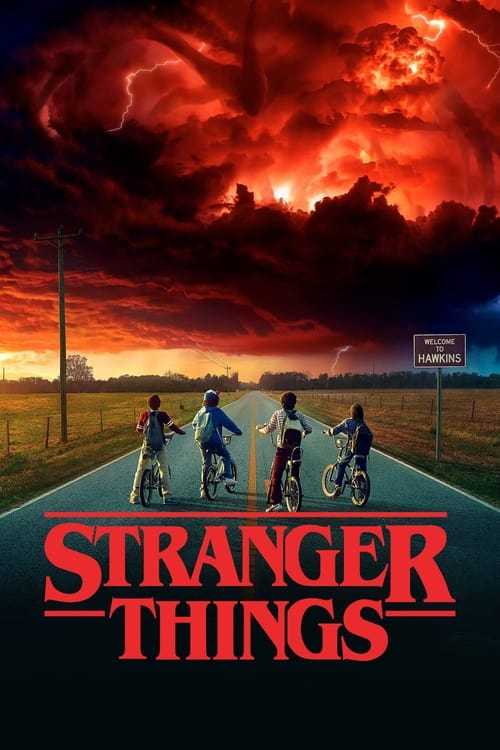
Popular series such as Stranger Things attract viewers who arrive at different points in the story. If you are starting fresh, begin with the series information rather than a discussion of the newest installment. Save the show even if you cannot begin tonight. A good television choice is still useful when you make it a few days in advance.
Watch with someone else if that makes the series more enjoyable, but agree on the pace first. Sharing one or two episodes at a time keeps a long story from becoming a race. Check language and caption preferences together, especially if you plan to continue on different devices during the week.
Genres work best as broad promises. Action suggests movement and conflict; mystery suggests questions; romance centers a relationship; documentary invites you to explore people, events, or ideas outside a fictional plot. A title can belong to several categories because most enjoyable films do more than one thing. Open the Genres page to start from the kind of story you feel like watching.
On catalog pages, combine the available title, genre, and year filters when you have a specific idea. If you want a thriller from a particular period, choosing the genre and then the year can be faster than scanning the full grid. Clear a filter when the results become too narrow. A useful search is one that leaves you with choices you actually want to inspect.
Comedy is a good example of why a tag is only a beginning. A warm ensemble film, a biting satire, and a darkly comic thriller can all carry the same label. Read the synopsis for the source of the humor. If you want something relaxed, a plot built around escalating danger may be a poor match even if the movie is often described as funny.
The same care helps with family viewing. Animation describes how a film is made, not the age of its intended audience. Fantasy can be gentle or disturbing. Before choosing for children, check the viewing service's age classification and content information for the actual title. The poster colors and the genre label do not answer that question on their own.
For a mixed group, choose a broad overlap instead of asking everyone for a favorite genre. A mystery with humor may satisfy people who would not choose a straight comedy or a grim crime drama. Adventure can bridge action and fantasy. If the synopsis gives everyone one reason to be interested, you are probably closer to a good group choice than a perfectly averaged rating would suggest.
Use filters as temporary aids. They should help you notice a film, not persuade you to reject everything outside a rigid category. Saving an unexpected title is a good way to keep that discovery without abandoning the evening you already planned.
A year is one of the smallest details on a title card and one of the most useful. It separates films with identical names, places a story within a franchise, and helps you recover something you remember from a particular period. Browse the release-year pages when the era is clearer in your memory than the exact title.
If you are choosing a remake, read the plot and compare the release year before leaving for a viewing service. Different adaptations may share the premise while changing the setting, characters, or tone. A poster can be replaced for a rerelease, and familiar artwork is not always enough to distinguish editions. The title and year together give you a stronger match.
Sequels introduce another small complication. The number in the title may not match the order of the fictional events, and a later film can assume knowledge of earlier releases. For a first watch, release order is often a straightforward place to begin, but individual franchises can have their own exceptions. Use the descriptions to understand connections without reading a full plot summary of every installment.
Recent release pages are useful when you have missed several months of movie news. Our Latest titles collection helps you look through newer entries, but a recent year is not a promise that a movie is already available to stream in your country. Cinema dates, festival screenings, rentals, and subscription availability can happen at different times.
Looking backward can be just as productive. Try a year linked to a period when you were busy and missed films entirely. You may recognize titles you intended to watch but never revisited. That is a more personal starting point than assuming the newest poster is the most relevant one.
If a date appears different on another page, compare what the date describes. A television series may be identified by its first season even when new episodes arrive much later. A film can also have a premiere before its broader release. Use the overall combination of title, format, language, and synopsis to make sure you have the right work.
Choosing by language opens parts of the catalog that a familiar homepage row may never bring to your attention. The Languages page provides a way into films and series through their original-language information. Start there when you want to explore a particular cinema, or when you remember the language of a title but not its name.
Hindi and Telugu searches often begin with a recommendation, a song, or an actor's recent film. Search the actual movie name when you can, then use the title page to confirm the year. Indian cinema includes many languages and industries, so a broad term such as Bollywood should not replace the details of the film you want. A dubbed release may also use a different title from the original.
Korean thrillers, Japanese animation, French comedies, and Spanish-language dramas offer different styles within familiar genres. You do not have to abandon the kind of stories you enjoy to explore another language. If you like tense ensemble dramas, look for that quality first. If you enjoy imaginative animation, start with a film whose premise catches your attention and decide on the audio afterward.
Our page for Parasite shows why a single genre label can only introduce a film. Its listed categories point toward several aspects of the story. The same approach works across the catalog: use the labels to find the neighborhood, then read the description to choose the specific experience.
Original language and available audio are separate details. A title listed as Japanese may have a dubbed track on one service and original audio with subtitles on another. A Hindi-language page does not guarantee Hindi subtitles for every title. Check the playback service's audio and subtitle menu for the version you plan to watch.
Country and language are not interchangeable either. Films can involve several production countries, feature multiple spoken languages, or travel under different international names. If you are looking for movies from a particular place, use the language pages as an entry point and confirm the story and release details individually. That approach leaves room for the variety that makes international browsing worthwhile.
Browsing 123Movies is free. You can search, open title pages, and save a shortlist without buying a subscription here. When you want to watch a film, the next question is the viewing offer available for that title in your country. Some options may be free, some may include advertising, and others may require a subscription, rental, or purchase.
Our free movies page is a useful place to begin that search. You can also open a film and look at the viewing choices beside Watch Now. The linked JustWatch search helps you check current options. A free listing for one country does not mean the same offer exists in every other country, so choose your location before settling on a service.
Free can describe several different experiences. An advertising-supported service may include breaks during the film. A library service may require an eligible library card. A time-limited promotion may have its own conditions. Read the offer shown by the viewing service so you know what applies before gathering everyone around the screen.
If you already pay for a streaming subscription, check whether the movie is included before renting it separately. The same title can appear under both subscription and rental offers. Those choices can also differ in picture quality, language tracks, or edition. A familiar logo by itself does not tell you which offer you have opened.
For movie nights on a budget, build a flexible shortlist. One exact film may be rental-only today while another title you are equally interested in has a free option. Saving a few possibilities lets you choose based on what is currently available without letting price become the only measure of whether the film is worth your time.
Browsing without registration here should not be confused with an account requirement on another service. Your saved list remains a browser feature on 123Movies, while the viewing destination controls its own sign-in and payment steps. You can inspect the choices before deciding whether an offer fits your plans.
A sharp picture can make an evening feel more involving, but the resolution label is only part of the experience. HD generally refers to high definition, while 1080p describes a full high-definition image. Consumer 4K video has more picture detail available for a compatible display. The actual result also depends on the source, compression, device, and connection.
Check quality on the viewing service for the specific offer you open. A movie appearing in the 123Movies catalog does not establish that every available version is 1080p or 4K. A subscription plan, browser, television, or streaming device may limit the resolution even when a higher-quality version exists elsewhere. The service's own title and playback information is the useful place to confirm it.
On a phone, stable HD may look very good at an ordinary viewing distance. On a large television, differences in detail can be easier to see, especially in landscapes, animation, and carefully lit scenes. Choose the quality that works smoothly for your screen. Repeated pauses are usually more distracting than stepping down one setting during a weak connection.
Resolution is also different from high dynamic range, often shortened to HDR. HDR concerns the display of brightness and color rather than the number of pixels. A television may advertise both, but the title, service, and device must support the relevant format together. Avoid assuming that selecting 4K automatically selects every other picture enhancement.
Old films are not automatically low quality, and new films are not automatically perfect streams. A careful restoration can look excellent, while heavy compression can obscure fine detail in a recent release. Film grain can also be part of the original image. If an older movie has visible texture, that does not necessarily mean the playback is failing.
For a concrete example of how title, plan, and device affect quality, see Netflix's video-quality guidance. Other services have their own requirements. Use the guidance for the provider you actually select rather than treating one service's limits as universal.
Subtitles are useful for more than watching in another language. They can make quiet dialogue clearer, help in a shared room, and keep a film comfortable at lower volume. Before starting the viewing service's player, look for the audio and subtitle choices available for that exact version. The language shown on our title page describes the work, not every playback track you will find elsewhere.
Original audio with subtitles preserves the performances you hear, while dubbing can make it easier to watch without reading. There is no need to treat that as a test of taste. Choose what makes the film enjoyable for the people watching. For an animated family film, a well suited dub may be the most comfortable option. For a dialogue-driven drama, you may prefer the original voices.
Closed captions and standard translated subtitles can serve different purposes. Captions may include sound cues and speaker information; translated subtitles usually focus on spoken dialogue. If those extra cues matter to you, inspect the service's available tracks rather than assuming any subtitle label provides the same information.
When subtitles disappear, first check whether the correct track is still selected. Changing episodes, switching devices, or opening a different edition may change the available choices. A film playing correctly without captions is a different problem from the entire page failing to load. Knowing which part is affected makes the next step more useful.
If the words drift ahead of or behind the dialogue, try another subtitle track when the service offers one. A player may have a timing adjustment, but that control belongs to the service and is not available everywhere. Reloading the playback page may help with a temporary issue; repeatedly changing languages will not solve a track that belongs to a different edit of the film.
For international films, check both audio and subtitles while you still have time to choose another offer. Discovering an unsuitable language combination halfway through the opening scene is avoidable. Keep the title in My List if you want to wait for a version that better fits the way you watch.
123Movies is useful on a phone even when you plan to watch on a larger screen later. Search a recommendation while you remember it, open the title to check the story, and save it in the same browser. A few moments of browsing during the day can leave you with a good shortlist when the evening begins.
Use the navigation menu on a smaller screen to move between Movies, TV Shows, genres, and your saved titles. If a long title is awkward to type, start with its distinctive words. The main search and title pages give you the same basic path as desktop browsing without requiring a separate account.
For mobile streaming, consider the connection before choosing the highest picture setting. A film watched over mobile data can use a substantial part of a limited allowance, depending on quality and duration. Check the viewing app's data settings if that matters to your plan. The service may offer automatic quality or a lower-data option, but the controls differ by provider.
A tablet can be a comfortable middle ground for subtitles. The larger text area makes reading easier without needing a television, especially when watching with headphones. Position the screen so you can read comfortably and avoid balancing a long film around a battery that is nearly empty. Small practical choices matter more over two hours than they do during a short clip.
If Watch Now opens a new browser tab or hands over to a service's app, check that the selected title is still correct. The service may ask you to search again after sign-in. Keep the year in mind for a remake or a common name. Returning to the 123Movies title page makes it easy to compare without guessing.
Our Android and iPhone and iPad pages provide more device guidance. Browser settings, available install options, and playback support can differ between devices. Use the instructions that match the screen in your hand rather than assuming every phone presents the same buttons.
For a shared movie night, choose the title on the device that makes browsing easiest and watch through the viewing service's supported television option. A phone or laptop is often more comfortable for typing than a TV remote. Once you know the title and service, opening the matching app on your Smart TV can be the simplest way to begin.
Compatibility depends on the television and the selected service. A browser that opens the 123Movies catalog does not guarantee that every external player will work in that browser. Some providers support particular TV apps or streaming devices and limit browser playback. Our Smart TV guide helps you think through that handoff before the audience is waiting.
Casting can be convenient when the viewing service supports it. Look for its Cast or AirPlay control and follow the device's instructions. Screen mirroring is another method, but it can behave differently from sending a video directly to a television. Captions, playback controls, and picture quality may not transfer in the same way.
Apple explains the supported video and mirroring paths in its AirPlay guidance. Google describes desktop tab and screen casting in its Chrome casting instructions. Check the viewing service's support as well, because a device supporting the feature does not make it available in every video app.
Before starting a subtitled film, play a short opening segment and make sure the captions appear on the television itself. Check volume at the listening position, particularly if dialogue sounds much quieter than music. If your television or sound system provides an appropriate dialogue setting, choose it before the film rather than repeatedly changing the volume during scenes.
Keep the title saved even after you have opened the TV app. If the service search returns several editions, you can return to the page on your phone and compare the year and description. That makes the move between screens easier without assuming the two devices share your browser list.
A saved list is most useful when it preserves a decision you nearly made. Add a film because its story interests you, a series because someone you trust recommended it, or a rewatch because you want to share it with another person. The Save button keeps those titles together in My List.
Your list is saved in the current browser on the current device. Use the same browser and profile when you return. Private browsing, clearing website data, or switching to another device can give you a different or empty list. There is no account-based synchronization to carry these saved choices automatically between your phone and laptop.
Keep a practical range of choices. A long drama, a lighter comedy, and a series you can start another day serve different needs. If every saved item demands the same mood, the list will not help when your evening changes. A small variety gives you flexibility without recreating the entire catalog inside your saved page.
Use a second click on a saved title's button when you want to remove it. You might do that after watching, after discovering it does not suit your tastes, or after deciding to keep a different installment of the same franchise. Tidying the list occasionally makes the next decision easier.
My List saves a title, not a video file, streaming reservation, or episode position. Availability can change between saving and watching. When you return, open the title and check the current viewing choices. A saved film remains a useful reminder even if your preferred offer is temporarily absent.
If a recommendation is especially important, keep the title and year somewhere outside the browser too. That is useful before changing devices or clearing storage. For everyday browsing, however, the on-page Save action is an easy way to remember what caught your attention without interrupting the search for tonight's film.
If you prefer opening the catalog from your home screen, begin with our App page. Supported browsers may offer an install or Add to Home Screen option. That gives you a convenient way back to the website. The exact wording and placement depend on your device and browser.
A home-screen shortcut is different from an Android package file, usually called an APK. Searching for a 123Movies APK can bring up unrelated applications that use a similar name. Our browsing experience does not require you to find a separate package to search titles or use My List. The APK page explains that distinction for visitors who arrive with an app download in mind.
Installation does not change the available viewing offers. A movie that requires a subscription on its viewing service does not become free because the catalog is opened from an icon. Audio tracks, 4K support, and casting still depend on the selected provider and device. Treat the shortcut as a faster entrance to browsing.
The word download can also mean saving a movie to watch later without an internet connection. That feature, where offered, belongs to the viewing service's app and the specific title. Check its download option, expiry rules, storage needs, and supported device before a trip. A browser bookmark or saved poster is not an offline copy of the film.
If you are preparing for travel, open the downloaded title inside the service's app before leaving and confirm that it is ready. Make sure the preferred audio and subtitles are included if those settings are available. A successful catalog search at home does not prove that a movie will play when the connection is gone.
Our offline viewing guide helps keep those steps clear. Use 123Movies to choose and remember titles, then follow the viewing service's own instructions for any supported download. That keeps your travel plans tied to the actual movie and device you intend to use.
A spinning playback indicator can interrupt even the best film, but it does not tell you the cause on its own. The catalog page, the viewing service, the internet connection, and the device are different parts of the experience. Start by noticing which one has stopped working. A title page that opens normally with a video that pauses elsewhere points to a different problem from a website that will not load at all.
If the video begins and then repeatedly buffers, use the viewing service's automatic quality setting or reduce the resolution if its controls allow it. Pause other large downloads on the same connection. Move closer to the wireless router if the signal is weak. These are useful first checks before assuming the streaming servers are down.
A strong speed-test result is helpful, but it does not prove every connection to every video service is working equally well. Wireless interference, temporary congestion, device performance, and the service's delivery can all affect playback. Test another title on the same service and note whether the problem is limited to one film or appears throughout the app.
If one title fails while another plays, check for another available offer for that title. If the whole service fails, consult its own help or status information. Reloading once can resolve a temporary problem, but repeatedly refreshing without observing what changes is less useful. Keep a note of the error wording if the player provides one.
Some streaming sites use numbered server buttons to present different sources. The Watch Now choices here point you toward viewing services; they are not switches for a set of 123Movies video servers. Quality controls, subtitle tracks, and any source selector you encounter are controlled by the playback service you choose.
If the picture is fine but the sound is missing, check the selected output device, player volume, and audio track before changing the internet connection. If subtitles alone fail, use the subtitle checks above. Solving the smallest affected part is usually quicker than treating every playback issue as a complete outage.
A saved bookmark is the easiest way to return to the catalog you were using. Searches for 123Movies often include domain endings, the word mirror, or names such as GoMovies. Similar names in search results do not establish that those pages share the same operator, features, or saved list. Keep the address of the page you actually chose.
Our Domains page gives you a place to read about access and familiar address questions. Use it when a remembered link no longer opens as expected. A matching logo or a familiar name on another site does not move your browser data there, so an empty saved list after changing addresses is not proof that your titles were deliberately removed.
If the page fails to open, try the homepage from your bookmark and then navigate to the title again. A single old title link can fail while other pages still work. Check whether another ordinary website loads on the same connection. That quick comparison helps distinguish a local connection problem from a problem reaching this site.
Visit the Status page for access guidance, but do not read a loading problem on one device as proof of a worldwide outage. Browser extensions, stale page data, and network settings can affect one visitor differently from another. Note the page address and the exact message before making several changes at once.
Searches for 123Movies unblocked often come from a school, workplace, or another managed network. Those networks may have their own access rules. Use an allowed connection and the viewing service's supported access options. Changing the way a catalog opens does not change a film's regional availability on the service that plays it.
When reporting a broken page, the useful details are simple: the title, the page address, your browser, and what happened after you clicked. The Contact page is available when you need to describe a problem. Do not include account passwords or payment details in a report about browsing.
If you arrived while looking for sites like 123Movies, start with the reason you were searching. You may need a particular title, better subtitle choices, a service that works on your television, or a free option for tonight. Those needs are more useful than a long list of names that promise the same thing.
Our Alternatives page provides another starting point, while a film's Watch Now section keeps the comparison close to the title itself. Check the edition, country, price, and device support together. A service that looks attractive in general may not carry the film you want, and one that carries it may offer a language combination that does not suit you.
Reddit discussions can be helpful for discovering titles and hearing how other viewers felt about a story. They are less reliable as a permanent map of working domains or current streaming offers. An old comment may refer to a different address, country, or version of a website. Read dates and context before treating a recommendation as something that applies to your evening.
For film recommendations, look for the explanation behind the suggestion. A comment describing the pacing, atmosphere, or kind of humor is more useful than a bare title followed by enthusiastic punctuation. You can then search that title here and decide whether the premise appeals to you without relying entirely on another person's rating.
If one viewing option is unavailable, keep the movie in My List and consider another saved title. A shortlist makes it easier to preserve the evening without giving up on the original film. You can return to that film when a suitable offer appears rather than forcing the choice through an inconvenient service.
The best alternative is the one that meets the need in front of you. For one person that means captions on a television; for another it means an affordable rental of a particular cut. Choose from the details of the viewing offer, then let the story take over.
A good movie night starts before the film. Agree on whether you want something light, tense, expansive, or surprising. Use that decision to choose a few titles, then compare their descriptions together. A small shortlist is easier to discuss than a full catalog, especially when people have different tastes.
Leave space around a long film. If you only have a short evening, check the runtime on the viewing service before choosing an epic. If you are planning a double feature, pair films for a reason: two interpretations of a genre, an original and its remake, or a familiar favorite followed by something new. The connection gives you something to notice without turning the evening into a lesson.
For a solo watch, try choosing one detail you want more of: a setting, a kind of performance, an unusual premise, or an animation style. That gives you a more personal direction than another endless attempt to locate the single best movie. Save the other interesting possibilities so the decision does not feel like losing them.
After watching, remember what actually worked for you. Was it the dialogue, the pace, the world, or the way the ending reframed the story? Those observations make your next browse more useful. A film can earn a place among your favorites without belonging to your usual genre, and a widely loved title can simply be wrong for your mood.
Return to Movies when you want a complete story, TV Shows when you want something to continue, or My List when you have already done the choosing. Keep the experience straightforward: find a title that interests you, check the details that matter, and make room to enjoy it.
No. You can browse the catalog, search movies and TV shows, open title pages, and use My List without registering here. My List is stored in your current browser. A separate viewing service may require its own account when you choose an offer.
Yes. Use the Free page or open a title's viewing choices to look for free and advertising-supported offers. Watch Now links lead through JustWatch to help you check current availability in your country. Some titles may have only subscription, rental, or purchase options.
Watch Now opens the viewing section for the selected title. Its links lead to the relevant JustWatch destination or title search, where you can check the options for your country. The selected viewing service supplies playback and controls its own prices, accounts, audio, and subtitles.
No single resolution applies to every viewing offer. HD, 1080p, and 4K availability depends on the title, service, plan, device, and connection. Check the actual offer and the viewing service's quality information before choosing, especially when you plan to watch on a large television.
Search the main title and compare the release years, format, and synopsis. Use the Years or A–Z pages if you remember the period or spelling only partly. A shared name or similar poster does not guarantee that two results are the same film.
My List is stored locally in the browser and profile you use. It does not automatically sync to another device. Private browsing, clearing website data, or changing browsers can result in a different list. Keep important titles separately before changing or clearing browser storage.
No APK is required to browse this catalog. Open the App page for supported browser installation or home-screen options. A similarly named Android package elsewhere is a separate application and does not add playback, downloads, or account synchronization to this browsing experience.
Choose a viewing service that supports your television or streaming device, then check its subtitle tracks for the film or episode. Casting and AirPlay support vary by app and device. Test that the captions appear on the television before settling in for the full title.
The catalog and the playback service use different connections and features. If the video buffers, check the selected quality, wireless signal, and other activity on your connection. Try another title on the same service to see whether the problem affects one film or the whole service.
The audience scores in this catalog come from TMDB, The Movie Database. They are not IMDb scores. Use Top rated to explore the catalog's ratings, and consider the synopsis, genre, and your own preferences alongside the number when deciding what to watch.
 TV★ 8.5
 TV★ 8.6
 TV★ 7.9
 TV★ 8.4
 TV★ 8.7
 TV★ 8.0
 TV★ 8.0